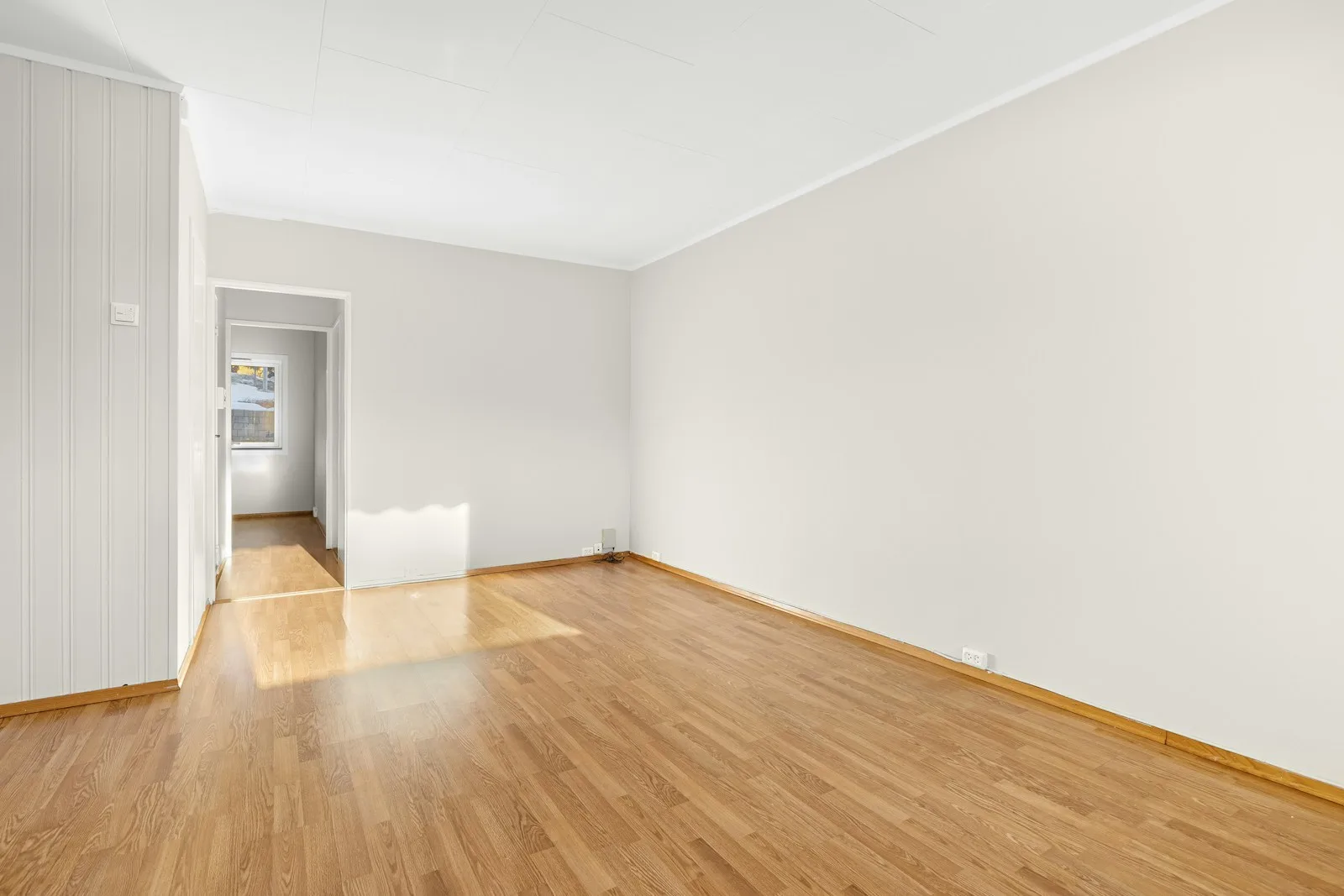
Most Small Landlords Lose Money and Never See the Line Item That Did It
Rent minus mortgage is not profit. Three costs sit outside that subtraction, and all three arrive in lumps: vacancy between tenants, repairs that come on their own schedule, and the turn after somebody moves out. At the Northwest Tarrant County median lease of $2,295 a month, an empty house burns about $75 a day, and the median home took 24 days to lease. The owners who quit rarely own bad houses. They own houses whose real costs nobody ever put on paper for them.
Here is the conversation we have most often with a first-time landlord, usually in month fourteen. The rent covers the note with a little left over. They have been watching that little bit of margin all year and feeling good about it. Then the tenant gives notice, the house sits five weeks, the water heater goes on the way out the door, and one month erases the whole year. They call to ask what went wrong. Nothing went wrong. The business always cost that much. It just never sent an invoice until now.
Line item one: vacancy is a bill, not an event
Across the 193 leases that closed in our 15-ZIP Northwest Tarrant and Parker County search in the 30 days ending July 22, the median home leased in 24 days at $2,295 a month. That works out to about $75 a day of rent not collected, and a vacant house does not pause anything. The note, the taxes, the insurance, the lawn and the electric all keep running.
So a completely normal, nothing-went-wrong turn costs roughly $1,811 before a single repair. If your house lands where one in four landed, at 42 days or longer, that number is closer to $3,169. Thirteen percent of those leases took more than 60 days. Seven percent went past 90.
The mistake is not failing to predict which house sits. Nobody can. The mistake is budgeting to the median and having no plan for the tail. A landlord who assumes 24 days and gets 74 is not slightly off. They are out about $3,700 they did not have set aside.
Zoom out and the picture holds. Across the whole Dallas-Fort Worth-Arlington metro in June 2026, 3,758 single-family leases closed at a median of $2,400, and the median one took 37 days (NTREIS Monthly MLS Summary Report, June 2026, prepared by the Texas Real Estate Research Center at Texas A&M). Our corridor is leasing about thirteen days faster than the metro as a whole, which is good news for a Northwest Tarrant owner and also the reason the tail hurts here. The local market sets an expectation of a fast lease-up. Nothing about that expectation pays your note during the six weeks a house does not cooperate.
Line item two: repairs do not average out on one house
Averages are honest across a portfolio and misleading across a single property. A big book absorbs a $9,000 sewer line because forty other houses had a quiet month. One house has no such luck. It gets the whole bill in one week.
We manage 70+ doors across this corridor, so we get to watch that distribution in real time, and it is lopsided in a way a single owner rarely sees coming. On our open board in late July, of the work orders carrying a billed amount the median came in at $709. The largest single item was over $10,000. Both of those are true at the same time, and that is the whole point. Most months look like nothing. Then one does not.
Most owners who sell a rental in frustration are not looking at a bad property. They are looking at the first month that finally showed them the real cost, and reading it as a verdict instead of a bill.
Line item three: the turn is the one nobody budgets
Vacancy is the rent you did not collect. The turn is what you spend before you can collect any. Paint, flooring, cleaning, the punch list of small things a tenant lived around for years and you now have to fix before the next one will sign.
The length of the tenancy is what sets the size of that bill, and it runs opposite to instinct. A tenant who stays three years and leaves is a cheap turn. A tenant who stays ten years is the best thing that ever happened to your cash flow and also the most expensive turn you will ever pay for. We have a unit going through exactly that right now after a tenancy well past a decade. Ten years of no vacancy, no leasing fees, no marketing. And now flooring, paint throughout, and a list of items that were fine for that resident and will not pass for the next one.
That is not a failure. It is the bill for ten good years arriving all at once. But an owner who banked every month of that decade as profit is about to have a very bad quarter.
What to actually do about it
1. Convert the lumps into monthly bills. A 24-day vacancy every two years is about $75 a month set aside at the corridor median. Do the same for repairs and for the eventual turn. Money in a reserve is boring. Money you did not reserve is an emergency.
2. Underwrite the tail, not the median. Ask what happens if the house takes 60 days instead of 24, because 13 percent of them did. If that scenario breaks you, the property is thinner than you think and you want to know now.
3. Price to lease, not to your mortgage. The market does not care what your note is. Holding out for an extra $100 wins $1,200 over a year if it works, and one extra vacant month costs $2,295. The math on overpricing is not close. Metro-wide in June, closed leases came in at 98.0 percent of asking price, so the rent you list at is very close to the rent you get. What moves is not the number. It is how long you wait to collect it.
4. Fund the turn while the tenant is still happy. The long tenancy that is saving you money right now is also building the bill. Set that money aside during the good years, not after the notice arrives.
5. Judge the property on the full cycle. Principal paydown, appreciation and tax treatment do real work over a long hold, and none of it shows up in a single bad month. Look at the whole hold before deciding the asset failed you.
None of this makes a rental a bad investment. It makes it a business with real costs, which is what it always was. The owners who last are not the ones who got lucky on repairs. They are the ones who knew the bill was coming.
Want the real numbers on your house before the expensive month?
We track this corridor weekly, leased and failed both, and we run the vacancy, repair and turn math on a property before an owner commits to it. If you are deciding whether to keep renting a house out or let it go, that conversation costs you nothing.
All Panther Properties · Century 21 Alliance Properties
Call or Text (817) 420-0833 →Andrew Chavis · Century 21 Alliance Properties · License #0845090 · IABS Notice · Consumer Protection Notice. This article is for general informational purposes only and does not constitute financial, tax or legal advice. Lease figures are from NTREIS MLS data for a 15-ZIP Northwest Tarrant and Parker County search covering the 30 days ending July 22, 2026 (193 closed leases); deemed reliable but not guaranteed. Metro-wide lease figures (3,758 closed single-family leases, $2,400 median, 37 days on market, 98.0 percent sold-to-list) are for the Dallas-Fort Worth-Arlington Metropolitan Statistical Area and come from the NTREIS Monthly MLS Summary Report for June 2026, prepared by the Texas Real Estate Research Center at Texas A&M University. The two data sets cover different areas and different periods and are not directly comparable. Maintenance figures are aggregate, drawn from our own active work-order board in late July 2026 and reflect only those work orders carrying a billed amount. Verify current numbers before acting. View sources and disclaimers.